
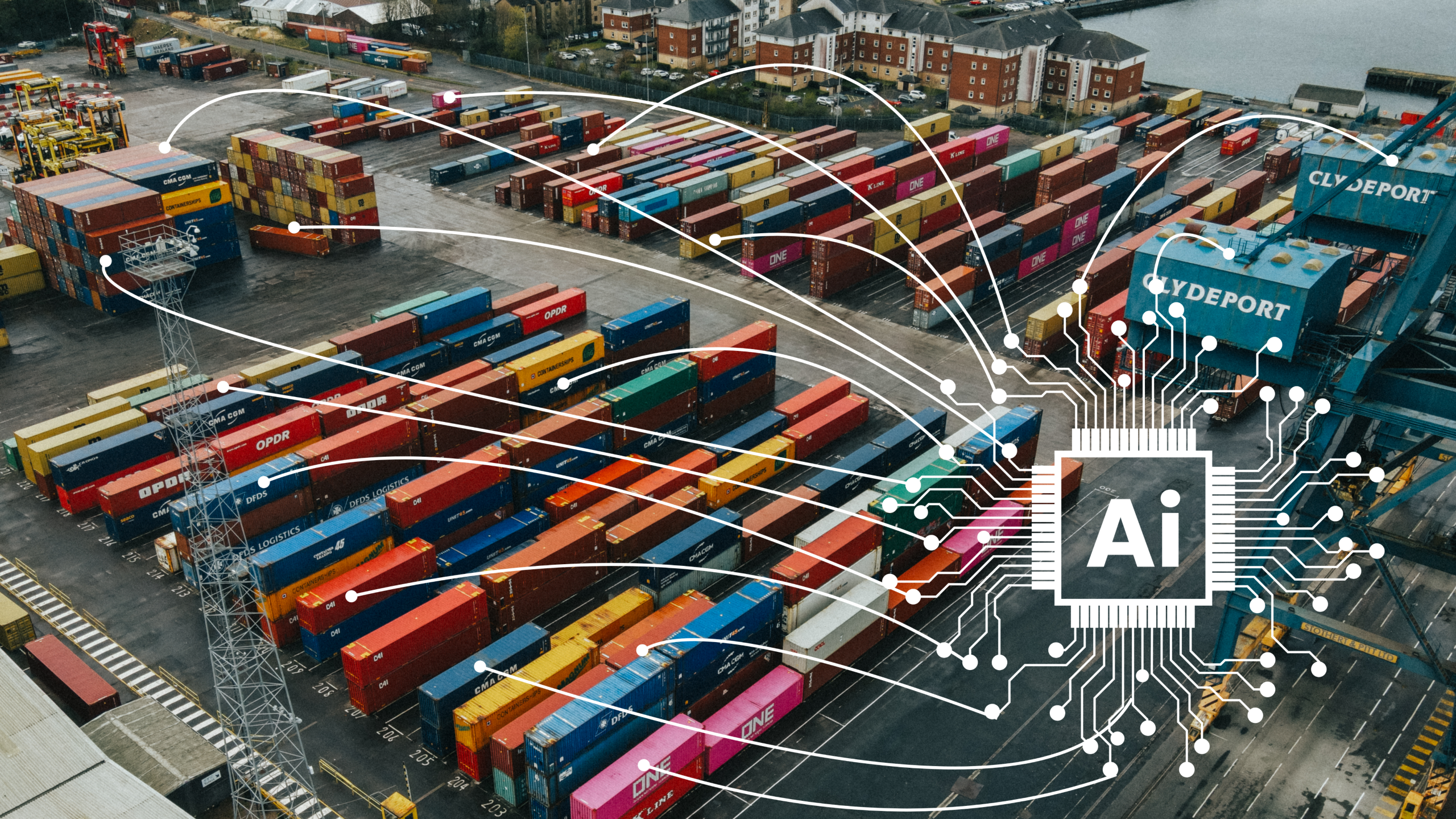
The introduction of AI into customs controls marks a turning point: every distance sale (i.e., when an order is shipped) of alcoholic beverages is analyzed with unprecedented precision.
For those who sell directly abroad, this means that errors or incomplete documents no longer go unnoticed and can result in penalties or the blocking of goods.
US Customs, Zero Tolerance
Selling alcoholic products directly to final consumers worldwide is an important opportunity for producers and operators in the beverage sector, but it also entails a series of responsibilities.
In the United States, Customs and Border Protection utilizes Artificial Intelligence systems to analyze incoming cargo, read X-ray images, and detect anomalies in vehicles. These tools help personnel more easily select suspicious shipments or those with incomplete documentation.
This means that a shipment with incorrect data has a much higher probability of being stopped and inspected. It is not automatic that a fine will be issued, but the error will almost certainly be detected, increasing the risk for exports to the USA.
The need to pay even closer attention to the United States is evident, where the political and economic war against Europe has already begun with the increase in duties.
European Digitalization
Even in Europe, customs authorities are adopting Artificial Intelligence tools to strengthen controls and make international trade smoother. Consortia like CustomAI are developing advanced tools that make it possible to anticipate risks through the analysis of internal data and multilingual customs declarations, thereby subjecting the most suspicious cargo to inspection.
The system is structured into multiple elements, among which the most relevant for the beverage sector are intelligent X-rays and multimodal continuous learning models that analyze radiographic and visual images updated with new risk samples.
To complete the picture, the use of blockchain guarantees supply chain traceability and secure data sharing.
For those exporting alcoholic beverages, this means that errors that once would have gone unnoticed can now have real consequences: blocking of goods, delays, and potential penalties.
Risk or Opportunity?
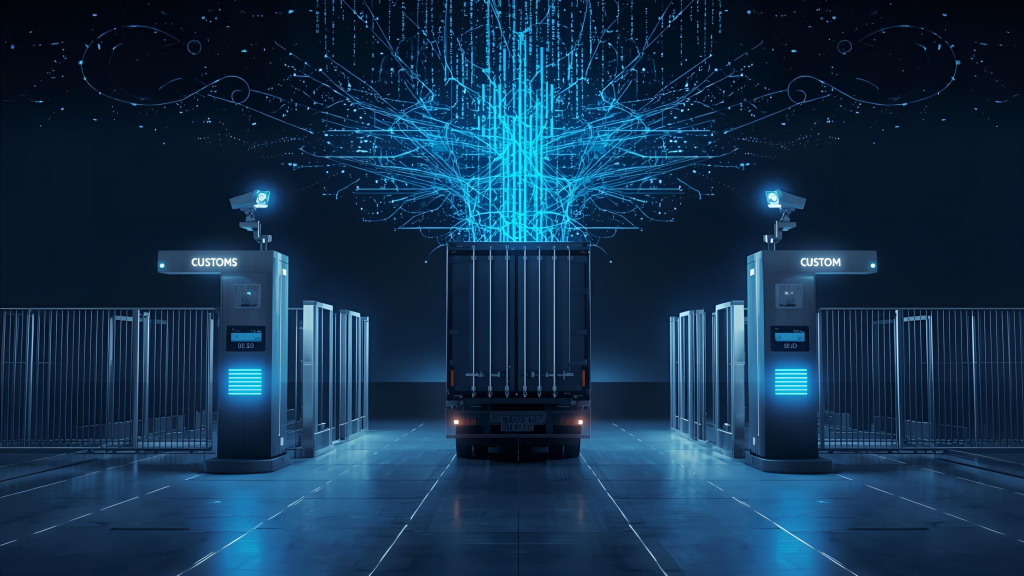
The change is momentous: Artificial Intelligence does not completely replace human intervention but makes customs more precise and selective. Data errors, even small ones, are highlighted and require intervention: the tolerance of operators is reduced, and the chance of a shipment being blocked increases.
For the export of alcoholic beverages, precision in documentation is no longer an option. Correct customs codes, exact indications of alcoholic content, and complete data are essential to avoid inspections and penalties. A blocked shipment not only causes immediate economic damage but can also compromise customer trust.
The solution exists: simple and fast digital tools allow for the correct preparation of documents, checking the data required by different countries, and integrating these controls into logistical processes. Thus, Customs’ Artificial Intelligence becomes an opportunity: safer shipments, satisfied customers, and minimized risk of penalties.
Sources:
Department of Homeland Security, AI Center of Excellence. (s.d.). AI Use Case Inventory: U.S. Customs and Border Protection (CBP). https://www.dhs.gov/ai/use-case-inventory/cbp
Liberatore, F. (2023, 23 Ottobre). Obiettivo: dogana full digital. ISPI (Istituto per gli Studi di Politica Internazionale). https://www.ispionline.it/it/pubblicazione/obiettivo-dogana-full-digital-147693
Progetto CORDIS. (s.d.).