

Here is what was reported by Giuseppe Consoli—owner of Masseria Torricella along with his wife, Eva—with whom we had the pleasure of chatting regarding his experience in the international direct sales channel.
Masseria Torricella: wine tourism and excellence in Puglia
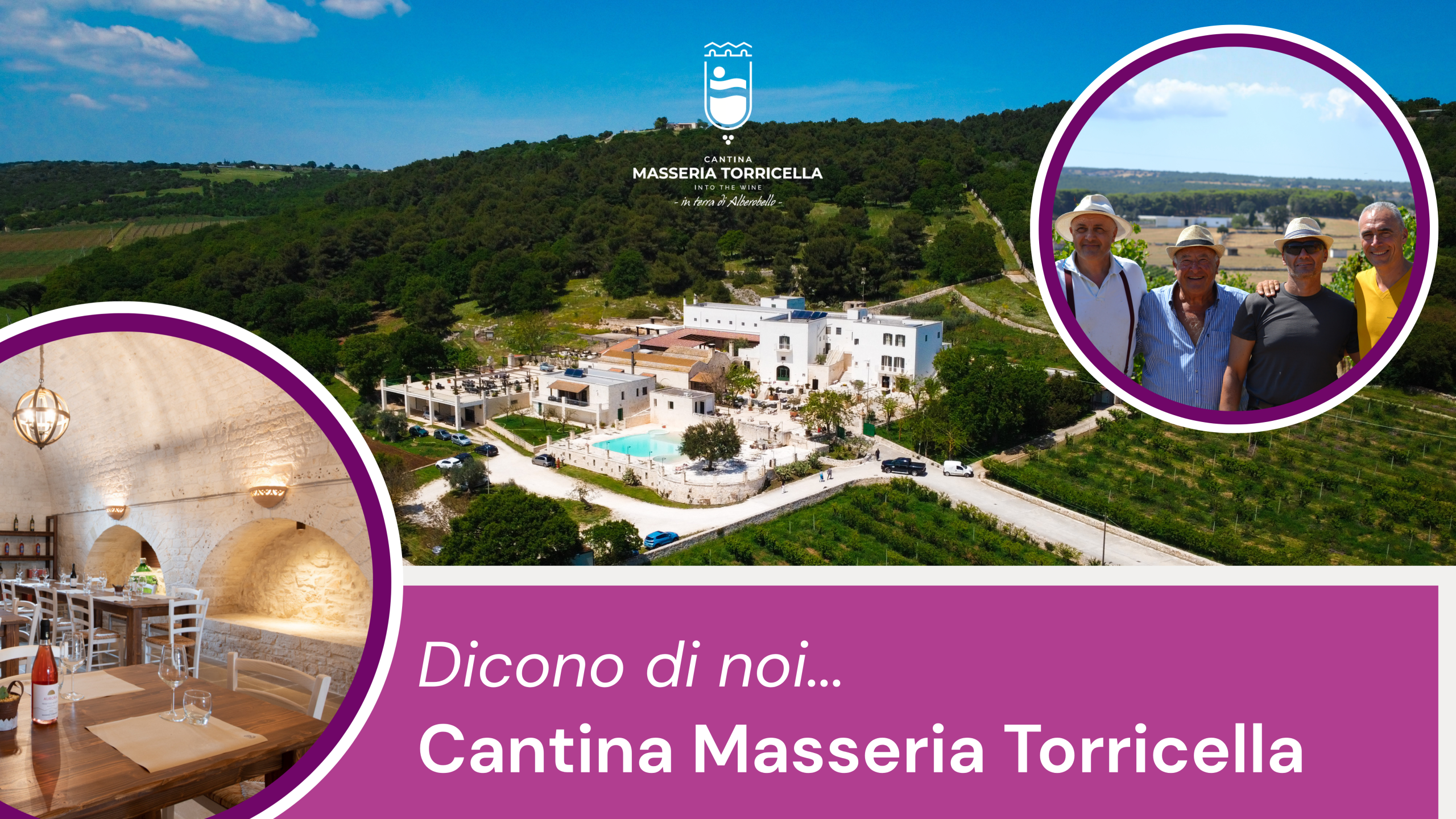
Masseria Torricella, located in the heart of Puglia, in Alberobello, is a true production ecosystem covering a total of 150 hectares.
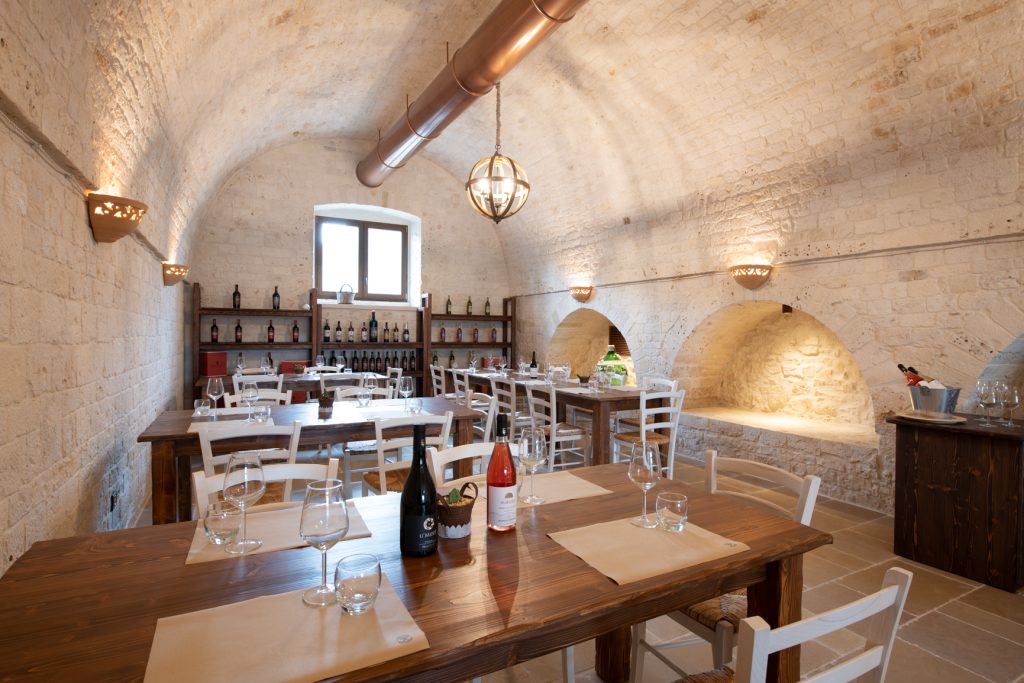
As owner Giuseppe Consoli explains, the business is based on a fundamental pillar: transformation. The beating heart of the activity is represented by 20 hectares of vineyards and the winery, which includes the processing areas, the barrel room, and the area dedicated to wine tasting and guest reception.
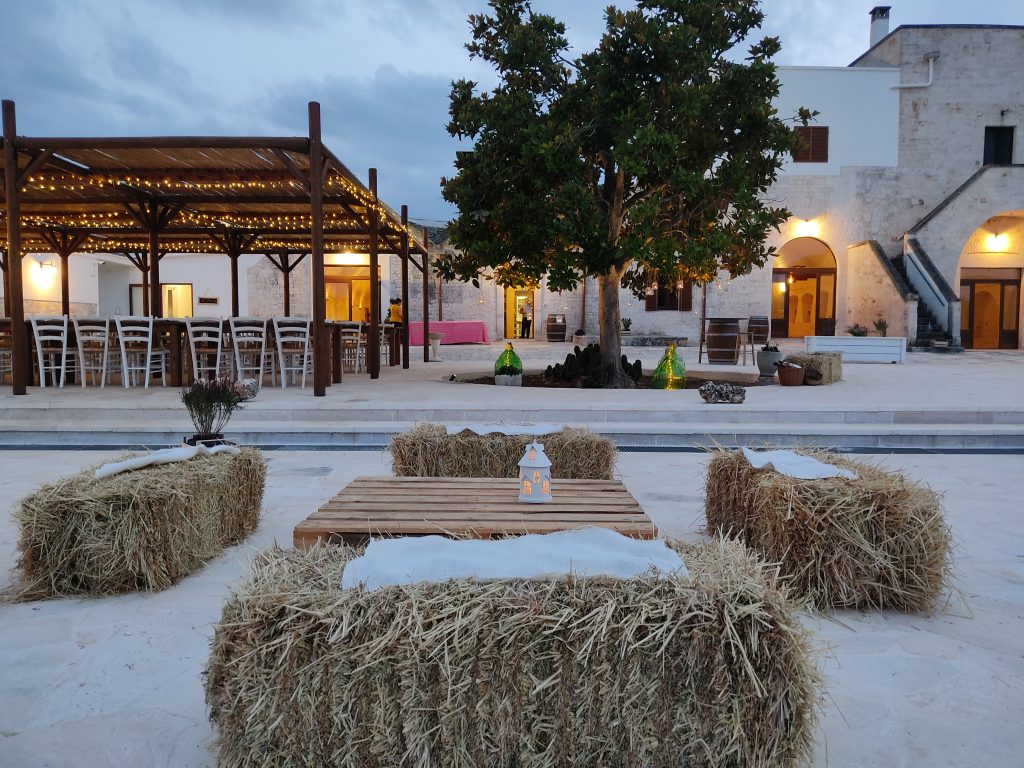
This wine-making vocation is accompanied by an essential component of tourist hospitality: a historic Masseria with rooms and a restaurant entirely dedicated to creating a deep bond between the visitor and the flavors of the local area. The cycle is completed by smaller productions (fruit, vegetables, and a small livestock farm) that serve to support the internal catering, strengthening the image of a company that welcomes its guests and makes them feel pampered from every angle.
The obstacles to international sales
Despite the success of wine tourism and the deep connection created with the guest, in the past, Masseria Torricella faced a frustrating paradox. As Giuseppe told us, while managing sales and deliveries within the national territory was “fairly simple,” the possibility of extending the same service to international customers proved to be “extremely complicated.”
The problem was not the demand, but the bureaucracy, logistics, and associated costs. For “small quantities,” managing the entire supply chain independently made the operation difficult and often economically unsustainable.
The result? The team was forced to give up the sale.
The inverse paradigm
Masseria Torricella had clearly identified the contexts in which direct sales and shipping are crucial: from departing guests at the farmhouse resort, who travel by plane, to wine tourists in the cellar, already highly motivated to purchase.
It is precisely by addressing this need that the adoption of D2C Customs has opened, as Giuseppe says, “a new path.”
Before this collaboration, the company often found itself in difficulty, forced to say no to foreign customers who asked for home delivery. Now the paradigm has been completely reversed: “Instead, we are the ones moving forward right from the start,” Giuseppe explains. From the moment the customer enters the company, they are immediately informed of the possibility of purchasing in the Winery and at the Masseria and receiving the wine directly at home, transforming an obstacle into an immediate sales opportunity.
Growth and loyalty
The results of this strategic change are immediately visible, both in the numbers and in the customers’ perception. From a quantitative point of view, the data is encouraging: “Yes, a good 30% of those who buy in the winery start reordering. The numbers are clear,” Giuseppe confirms.
But the benefits go beyond a mere increase in sales: “We see many more smiles, because those who travel for wine finally manage to have that wine delivered to their home,” he says. This translates into a concrete improvement in reviews and direct feedback. By providing a fast and functional service, the company projects an image of efficiency and customer care.
Maximizing margins: the lesson on direct sales
Based on his experience and the success he has achieved, Giuseppe concludes with direct and heartfelt advice for his colleagues in the industry: “I would recommend it to everyone, to anyone who has the chance to open a direct channel and sell directly abroad: do it.”
The key concept for wineries, according to Giuseppe, is the maximization of the margin. Direct sales to the final consumer allow bottles to be sold at full price, which is why this channel is among the most profitable.